Business systems built around your workflows
We build custom CRM systems, lightweight ERP modules, internal portals, dashboards, and integrations for companies that need clearer operations, not just an online presence.
What we can build
We start from your real processes, define the first useful version, and then expand the system through modules, roles, and integrations.

Custom CRM & ERP
Modules tailored to commercial, operational, or administrative processes without unnecessary features or awkward workarounds.

Dashboards & reporting
Clear visibility into KPIs, approvals, activity, and bottlenecks so decisions can be made faster and with better context.
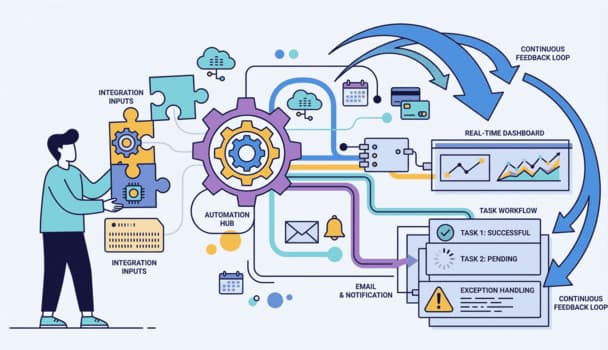
Integrations & automation
We connect existing tools, remove repetitive tasks, and sync the data that tends to break between systems.

Internal portals & roles
Dedicated areas for teams, partners, or management with access control, traceability, and clearer execution.
Timeline, budget, and collaboration
Short answers to the practical questions that usually come up before a project starts.
Typical timeline
Internal applications usually start with an MVP delivered in 4-8 weeks, then continue with modules, integrations, and automation in predictable iterations.
Budget framing
Cost is driven by roles, modules, integrations, and data migration needs. The final estimate comes after process mapping and priority setting.
How we work
We need the current workflows, pain points, and a business owner for validation. We work in short deliveries with demos and refinements between stages.
Post-launch support
After launch, we can stay involved for maintenance, new modules, operational support, and optimizations based on real usage.
Technology stack for custom software
Robust architectures for internal apps and business systems.
Back-end
Scalable services and secure APIs.




Data
Solid structures for critical data.



Cloud & DevOps
Secure deployments and monitoring.


Back-end
Scalable services and secure APIs.
Data
Solid structures for critical data.
Cloud & DevOps
Secure deployments and monitoring.
What we solve concretely
The operational or growth problems we address directly through the project.
- Tasks tracked manually
- Approvals without traceability
- Statuses that are hard to verify
- Duplicates and inconsistencies
- Lack of shared context across teams
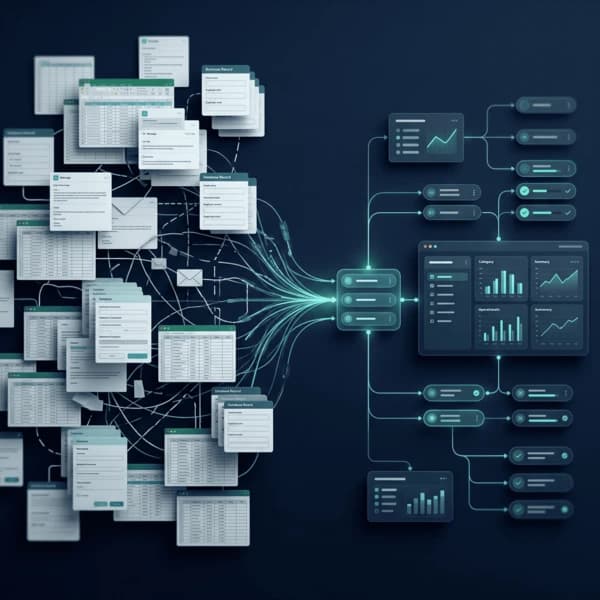
- Reporting done manually
- Repeated data entry
- Avoidable operational errors
- Bottlenecks in critical steps
- Workflows forced into awkward workarounds
- Extensions that are hard to deliver
- Dependency on multiple disconnected tools
What you get
Clear deliverables ready to use and scale.
- Clear mapping of workflows, roles, and critical steps
- Initial structure for modules, permissions, and tracked data
- Proposed architecture for the MVP and future expansion
- Screens and modules built around your real operations
- Dashboards with KPIs, statuses, and useful team actions
- Workflow logic configured around roles and responsibilities
- Connectors for the systems that need to exchange data
- Mapping, validation, and sync rules between sources
- Clear integration points for automation and future growth
- Test scenarios for the most critical application flows
- Documentation for usage, administration, or technical handoff
- A clean base for onboarding, support, and future iterations
What a useful first release usually includes
The first phase does not need to solve everything. In most projects, we start with one core workflow, the right roles, and the data the team needs every day.
Internal approvals and request flow
A focused MVP for teams running requests through email, spreadsheets, and ad-hoc approvals with poor status visibility.
- Structured forms and statuses for each request
- Roles, approval steps, and action history
- Validations and rules for critical steps
- Dashboard for bottlenecks and processing time
CRM / operational workspace
For commercial or operations teams that need one clear place for clients, tasks, activity, and execution stages.
- Centralized customer and activity data
- Pipelines, tasks, and internal reminders
- Visibility into KPIs, volume, and ownership
- A clean base for later modules and automation
Integrations and reporting layer
For businesses where data is split between multiple tools and errors appear because systems are not properly synchronized.
- API connectors or controlled imports
- Sync rules and data mapping between systems
- Alerts for failures and key validations
- Operational reporting in one place
What should be clear before the project starts
These are the questions that usually come up when a team moves from improvised tools to software shaped around real operations.
No. In most projects, we define the first useful version around a core workflow, the necessary roles, and the data that must be tracked well. Then we expand it in modules.
Yes, as long as there is data access or an API path. We typically review what should sync, what should stay separate, and where validation rules are needed to avoid inconsistent data.
After process mapping, role definition, module scoping, and integration review. A reliable estimate needs operational context and clear priorities for the first release.
We can stay involved for maintenance, operational support, new modules, and optimizations based on real usage. Launch is the start of the system lifecycle, not the end.